The Future of Electricity Capacity in the Northeast–Mid-Atlantic: Rising Demand, Shrinking Incentives, and the Risk of a Capacity Gap
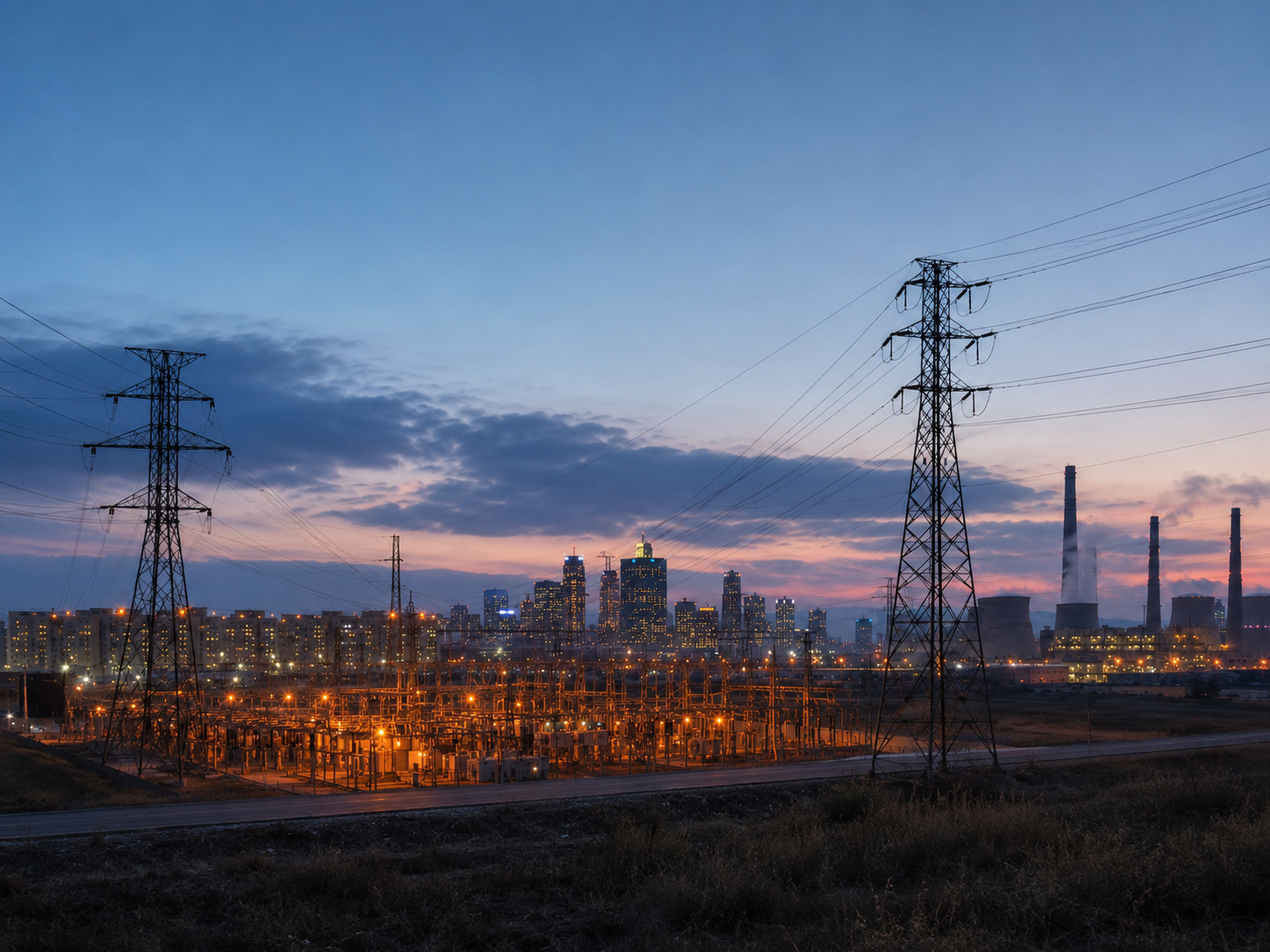
The Northeast–Mid-Atlantic power markets, ISO New England (ISO-NE), NYISO, and PJM, are entering one of the most critical periods in their history. Demand is climbing at a pace not seen in decades, driven by industrial expansion, electrification, and the rapid buildout of data centers. At the same time, firm generation sources that once underpinned reliability (coal) are steadily retiring. This challenge is compounded by a major policy shift: federal renewable energy incentives that fueled solar and wind development are scheduled to expire in 2027. Taken together, these dynamics are setting the stage for a looming capacity imbalance, where rising demand and accelerating retirements converge just as policy support for new renewable projects begins to fade.
What has the EIA projected?
According to the U.S. Energy Information Administration (EIA), developers expect to bring online more than 30 gigawatts of new utility-scale solar in 2025, representing over half of all new capacity additions nationwide. Battery storage is set to be the second-largest source of growth. In contrast, about 8.7 gigawatts of retirements are planned for 2025, dominated by coal (71%) and natural gas (19%). In the Northeast–Mid-Atlantic specifically, ISO-NE, NYISO, and PJM interconnection queues are dominated by solar, wind, and batteries, but many of these projects remain stalled by transmission bottlenecks, permitting hurdles, and financing delays.

Figure 1: In 2025, over 80% of new capacity comes from solar, storage, and wind, while firm
natural gas makes up less than 10%. This reliance on variable resources underscores rising risks as fossil retirements continue and incentives fade.
Capacity Prices Signal a Tightening Market
While capacity additions appear strong, demand is rising
even faster and colliding with a wave of retirements. ISO-NE projects net
consumption to grow by 11% between 2025 and 2034, with winter peak demand up
nearly 30% by the mid-2030s. NYISO forecasts are even sharper: electricity
demand is expected to rise nearly 70% by 2042, requiring installed capacity to
nearly triple from today’s 37 GW to as much as 130 GW. PJM shows a similar
trajectory, its 2025 Long-Term Load Forecast projects winter peak demand will
rise by more than 62,000 MW by 2034/35, the equivalent of adding the entire
electricity demand of New York State on top of PJM’s system in just one decade.
Ongoing Retirements of Firm Generation Resources
At the same time, dependable resources are leaving the grid.
Coal is already gone in New York and will disappear from New England by 2028,
while PJM has seen dozens of units retire in recent years. Nuclear and fossil
retirements have collectively removed tens of gigawatts of firm capacity, a
trend set to continue.

Figure 2: By the end of 2025, over 8 GW of firm capacity—led by coal (6.2 GW) and natural gas (1.6 GW)—is set to retire. These losses deepen the reliability gap just as demand surges.
These retirements are already showing up in market outcomes. In PJM’s 2025/2026 capacity auction, clearing prices spiked from about $28 to nearly $270 per MW-day, reflecting shrinking reserves and growing demand. The 2026/2027 auction rose again to $329/MW-day, with only a small fraction of new generation added, signaling that most of the system is leaning on existing plants. NYISO has also flagged tightening reliability margins in its planning studies, warning that under extreme weather, reserve levels could fall below acceptable thresholds. Together, these signals highlight that capacity markets are already under strain—even before the bulk of retirements and policy shifts.
Federal Incentive Phase-Out and Market Implications
That strain is poised to intensify as federal renewable incentives begin phasing out in 2027. These programs have been critical in financing solar, wind, and storage projects, and current data shows that most planned U.S. capacity additions in 2025 are renewable. If incentives expire and projects stall, the balance between rising demand and dependable supply becomes even more fragile. With coal and gas retirements continuing, capacity markets like PJM, ISO-NE, and NYISO risk facing tighter reserve margins and even sharper swings in clearing prices.

Figure 3: Capacity additions are now dominated by solar, wind, and storage, while firm coal, gas, and nuclear power have declined. With incentives set to phase out in 2027, there’s growing risk these renewables won’t scale fast enough to offset retirements, tightening margins in PJM, ISO-NE, and NYISO.
At Sunlight Energy Group, our team is tracking these market and policy shifts closely so we can help our clients stay ahead of the curve, manage risks, and secure reliable, cost-effective energy strategies.
*Charts and data sourced from the U.S. Energy Information Administration (EIA).*